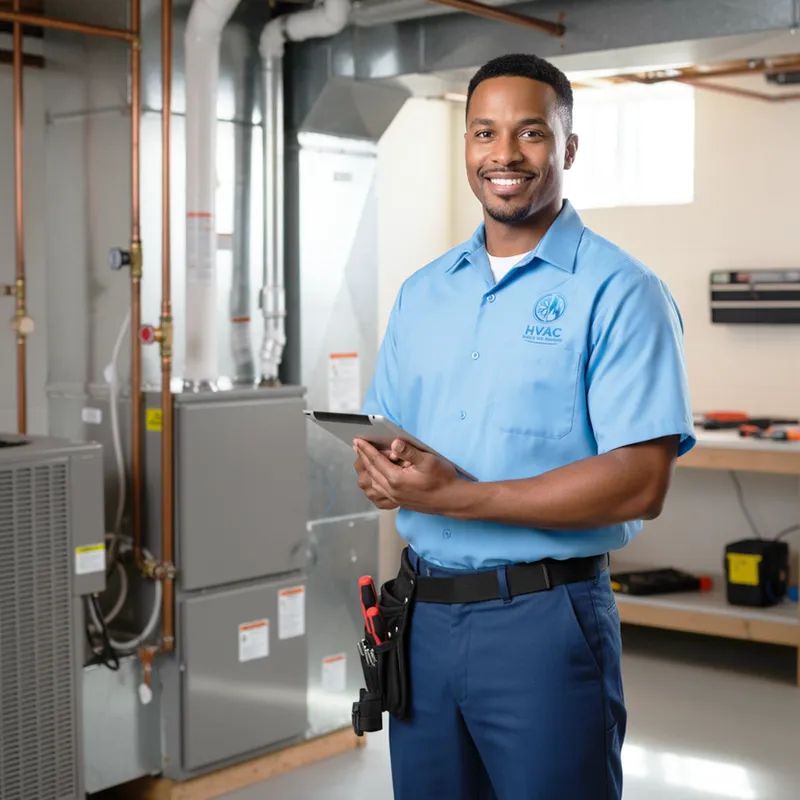
HVAC systems have an uncanny ability to fail at the most inconvenient moments — the hottest day of summer, the coldest night of winter, or holiday weekends when technicians are harder to reach. Being prepared with a clear action plan and understanding what you can safely do yourself versus what requires a professional can protect your family's safety, prevent secondary damage to your home, and potentially save hundreds of dollars in unnecessary emergency charges.
When Your AC Fails in Summer Heat
Immediate steps: Turn the thermostat from"Cool" to "Fan Only" — this will continue to circulate air without risking further damage to a potentially overheated compressor. Check your air filter (a completely clogged filter can starve the system of airflow and trigger a safety shutdown), check that the outdoor disconnect is on, and verify the circuit breaker hasn't tripped. Reset a tripped breaker once — if it trips again, there's an electrical fault and you must call a professional rather than resetting repeatedly.
Look for ice: A frozen evaporator coil is a common summer failure mode. If you see ice on the indoor unit or refrigerant lines, turn the system to "Fan Only" (not off entirely) and let the ice melt completely before calling for service — typically 2-4 hours. Running the system with a frozen coil can permanently damage the compressor. Once melted, the technician can diagnose the underlying cause (usually low refrigerant or restricted airflow).
Keep your family safe: In extreme heat, an un-air-conditioned home can become dangerous, particularly for elderly residents, young children, and pets. Open windows in the early morning and evening when outdoor temperatures are cooler. Close windows and blinds before outdoor temperatures climb. Move everyone to the coolest room (often a basement or interior room). Have backup cooling options available: portable AC units, box fans with ice, or arrangements to spend the hottest hours at a cool public space (library, mall, movie theater).
When Your Heating Fails in Winter Cold
Immediate safety check: If you smell gas or suspect a gas leak, evacuate the home immediately and call your gas company from outside. Do not return until cleared by utility personnel. If you suspect carbon monoxide exposure (headache, nausea, dizziness), evacuate and call 911. Both are true emergencies requiring immediate action before any HVAC troubleshooting.
Basic troubleshooting: Check that the furnace switch (a wall switch that looks like a light switch, often near the furnace) is in the "On" position — it gets accidentally turned off more often than you'd think. Check the circuit breaker. Replace the air filter if it's visibly clogged. Check that all supply registers are open and unobstructed. For furnaces with electronic ignition, power-cycle the furnace (turn off the switch for 30 seconds, then back on) — this resets the ignition system and sometimes clears a false lockout condition.
Keep your home above freezing: If professional repair will take more than a few hours and outdoor temperatures are well below freezing, your priority is preventing pipes from freezing. Keep the thermostat (even if not working) set above 55°F and use supplemental electric space heaters in areas with plumbing — specifically bathrooms, kitchens, and utility rooms. Open cabinet doors under sinks to allow warmer room air to reach pipes. Know where your main water shutoff is in case a pipe does freeze and then bursts when it thaws.
Preventing Emergencies: Maintenance Timing
The single most effective emergency prevention strategy is proper maintenance timing. Schedule your AC tune-up in early spring (March-April) before summer heat arrives, and your heating tune-up in early fall (September-October) before cold weather begins. This timing catches equipment issues while you have flexibility to schedule non-emergency repairs — before you're calling at midnight in a heat wave or blizzard. Join a maintenance plan to automate this scheduling and receive priority service when you need it.
What to Tell the Dispatcher When You Call
When calling for emergency HVAC service, have this information ready to help the dispatcher prioritize and prepare your technician: System type (central AC, heat pump, furnace type, boiler), system age and brand if known, description of the problem and when it started, any error codes displayed on the thermostat or control board, whether you have gas or electric heating, whether anyone in the household is vulnerable (elderly, infants, medical conditions). The dispatcher will also need your location and contact information. Having this ready reduces call time and helps the technician bring appropriate parts.
When your HVAC emergency happens — and at some point it will — HVAC Near Me Repair is available 24/7 at (888) 392-7512. Our emergency service team dispatches in 60 minutes or less in most service areas.
Need Expert HVAC Help?
Our NATE-certified technicians are available 24/7 for repair, installation, and maintenance across the United States.
Call (888) 392-7512 Schedule Service